

Recommended Reads for 2026 Disability Pride Month

Disability Pride Month is celebrated every July. To recognize the contributions, achievements, and experiences of disabled computing professionals, ACM would like to invite the global community in a conversation about accessibility and technology. ACM has curated a reading list with selected titles that explores how technology can better serve all users through an inclusive design. The reading list features book topics such as the history of disability and design to the barriers that are overlooked in user designs. Follow along to see which books have been chosen for our recommended reads.
Recommended Reads
-
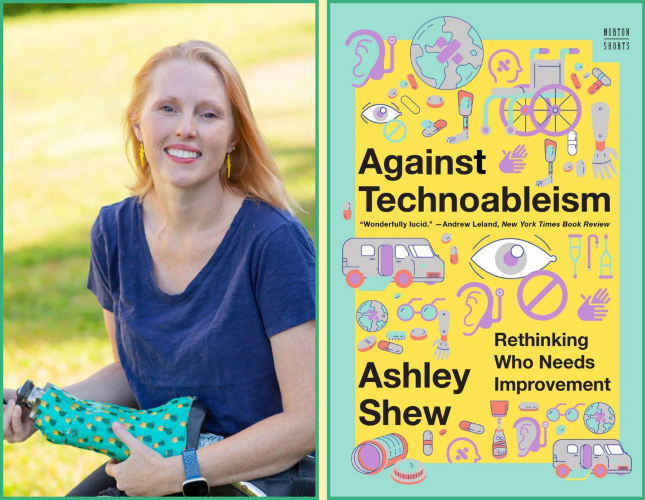
Against Technoableism: Rethinking Who Needs Improvement by Ashley Shew
-
Excerpt: This badly needed introduction to disability expertise considers mobility devices, medical infrastructure, neurodivergence, and the crucial relationship between disability and race. The future, Shew points out, is surely disabled—whether through changing climate, new diseases, or even through space travel. It’s time we looked closely at how we all think about disability technologies and learn to envision disabilities not as liabilities, but as skill sets enabling all of us to navigate a challenging world.
-
Ashley Shew is an associate professor of science, technology, and society at Virginia Tech, and specializes in disability studies and technology ethics.
-
-
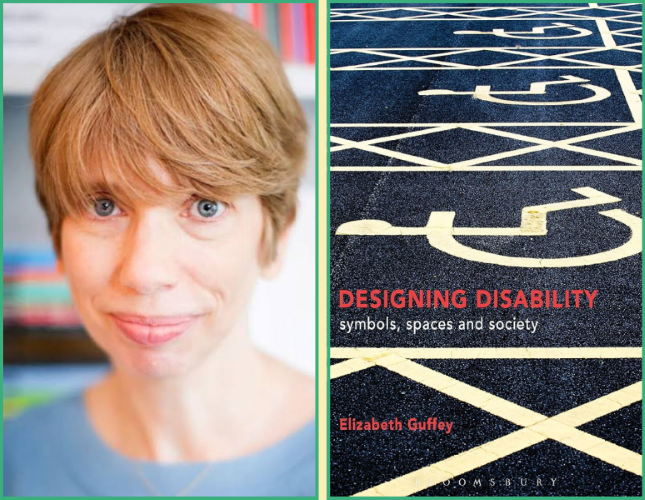
Designing Disability: Symbols, Spaces, and Society by Elizabeth Guffey
-
Excerpt: Infirmity and illness may be seen as part of human experience, but 'disability' is a social construct, a way of thinking about and responding to a natural human condition. Elizabeth Guffey's highly original and wide-ranging study considers the period both before and after the introduction of the ISA, tracing the design history of the wheelchair, a product which revolutionised the mobility needs of many disabled people from the 1930s onwards. She also examines the rise of 'barrier-free architecture' in the reception of the ISA, and explores how the symbol became widely adopted and even a mark of identity for some, especially within the Disability Rights Movement.
-
Elizabeth Guffey is Professor of Art and Design History and directs the MA in Modern and Contemporary Art, Criticism and Theory at the State University of New York, Purchase College.
-
-
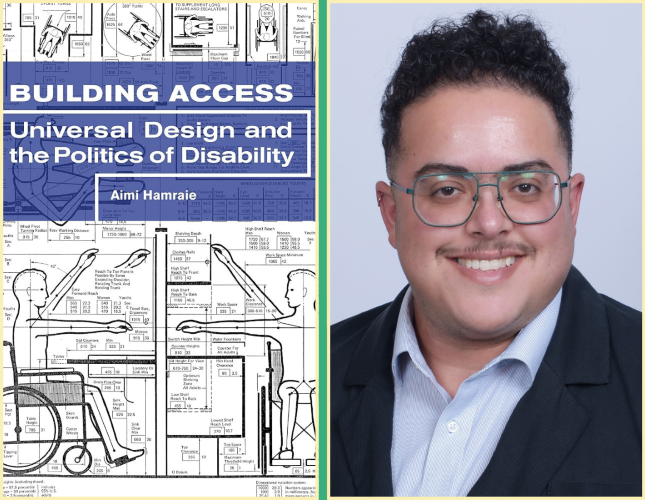
Building Access: Universal Design and the Politics of Disability by Lichen Hamraie
-
Excerpt: Building Access investigates twentieth-century strategies for designing the world with disability in mind. Commonly understood in terms of curb cuts, automatic doors, Braille signs, and flexible kitchens, Universal Design purported to create a built environment for everyone, not only the average citizen. But who counts as “everyone,” Lichen Hamraie asks, and how can designers know? Blending technoscience studies and design history with critical disability, race, and feminist theories, Building Access interrogates the historical, cultural, and theoretical contexts for these questions, offering a groundbreaking critical history of Universal Design.
-
Lichen Hamraie is Canada Research Chair in Technology, Society, and Disability, and Associate Professor of Social Science at York University. Hamraie’s research on disability and design has helped form the fields of critical access studies and crip technoscience.
-
-
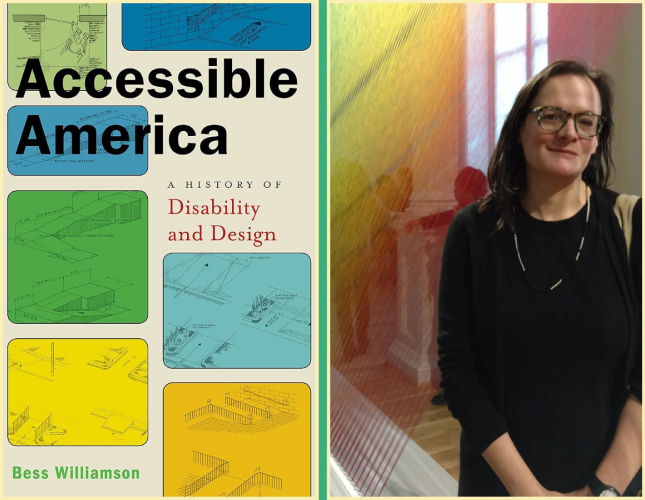
Accessible America: A History of Disability and Design by Bess Williamson
-
Excerpt: Bess Williamson provides an extraordinary look at everyday design, marrying accessibility with aesthetic, to provide an insight into a world in which we are all active participants, but often passive onlookers. Richly detailed, with stories of politics and innovation, Williamson’s Accessible America takes us through this important history, showing how American ideas of individualism and rights came to shape the material world, often with unexpected consequences.
-
Bess Williamson is a historian of design and material culture with a particular interest in social and political concerns in design, including environmental, labor, justice, and rights issues as they shape and are shaped by spaces and things.
-
DEI Articles in Communications of the ACM
Through Communications of the ACM, the ACM Diversity, Equity and Inclusion Council contributes articles to promote an open conversation related to topics on diversity, equity, and inclusion (DEI). Fostering an inclusive environment for members of different ages, races, nationalities, gender identities, sexual orientations, physical and mental abilities, and backgrounds to feel welcome to participate is important for the ACM DEI Council. ACM welcomes you to read the DEI articles and partake in the conversation on building an inclusive environment that benefits all.
DEI-CE Webinars
The ACM Diversity, Equity, and Inclusion (DEI) Council facilitates discussion panels on biases and ethical challenges in technology. Committed to fostering an inclusive environment in both workplaces and academic settings, the DEI Council organizes webinars that encourage conversation on biases within tech and how to confront those biases to create a more equitable space for everyone in the computing community.
How Diverse Is Your Team?
ACM's Diversity, Equity, and Inclusion Council is an essential resource for SIGs, conferences, boards, and councils looking for best practices to improve diversity in their organization and develop programs with a broader reach in the computing community. Our guide provides examples of both inherent and acquired characteristics, which should be taken into consideration when looking at ways to improve the diversity of your team.